
A natural and harmonious smile is about more than having whiter or straighter teeth. Behind an effortless-looking result is a carefully planned process that considers facial structure, tooth proportions, gum position, bite function, and each patient’s needs. That is why a well-planned smile design focuses not only on appearance, but also on comfort, function, and long-term harmony with the patient’s facial features. With proper planning and the support of digital technology, dentists can create a more personalised and precise treatment approach. So, what makes a smile look natural while also being designed to last? And how is a professional smile design created?
Why Is Smile Design Planning Important?
Every person has a different facial structure, tooth shape, smile line, and individual character. For this reason, the same smile design may not be suitable for every patient. Comprehensive planning helps create a smile that not only looks attractive, but also remains harmonious with the face while supporting optimal dental function.
In cosmetic dentistry, dentists need to consider several factors before determining the most suitable shape and proportion of the teeth, including:
- Facial shape and proportions
- Tooth size and shape
- Gum position and contour
- Natural tooth colour and characteristics
- The relationship between the upper and lower teeth
- Bite function
- The health of the teeth and supporting tissues
- The patient’s preferences and individual needs.
What Is Smile Design?
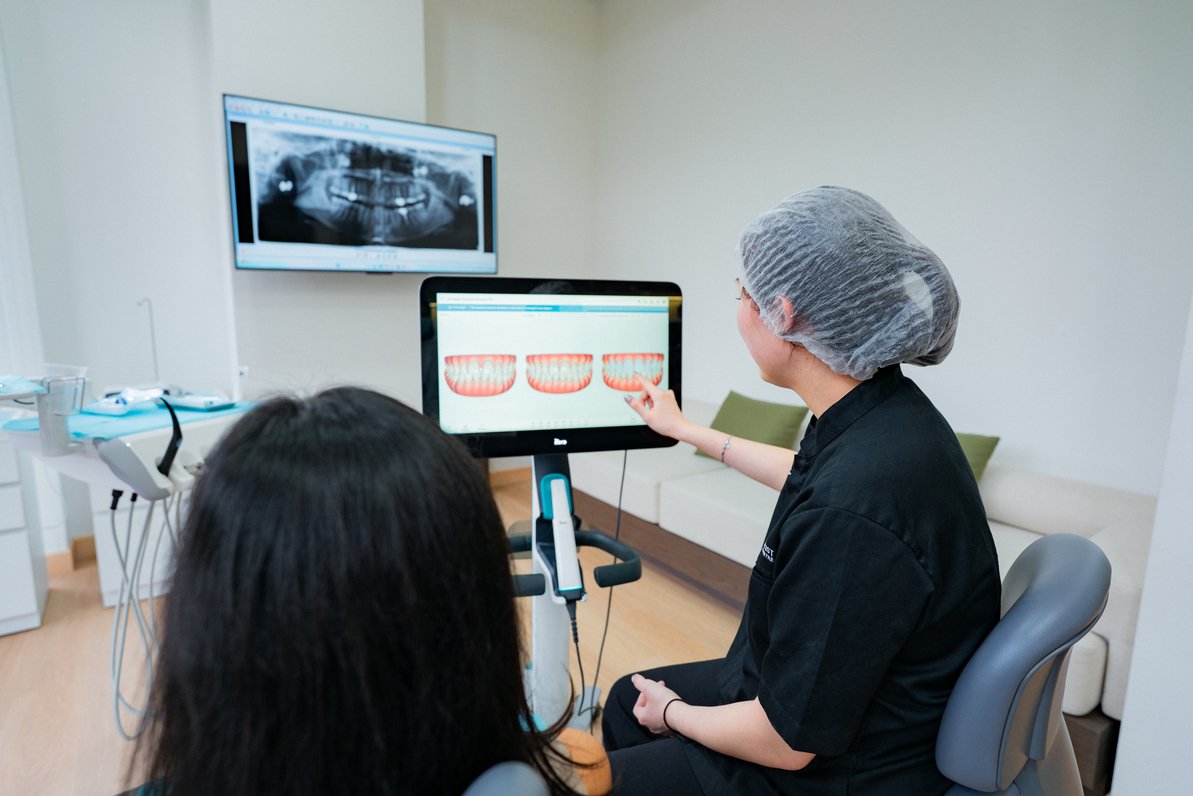
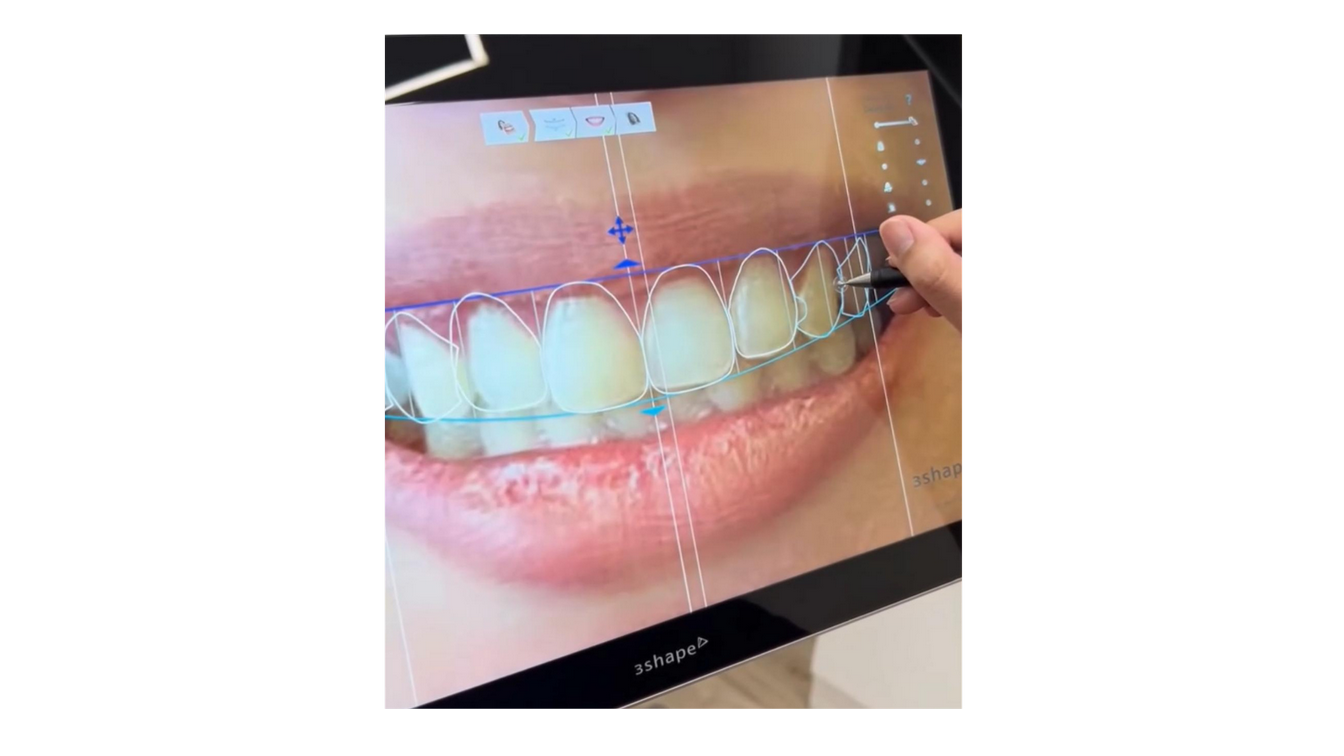
Smile design is a personalised planning process that takes into account facial aesthetics, dental condition, bite function, and the individual needs of each patient. Through this approach, dentists can evaluate different elements of the smile before determining the most appropriate treatment plan. In some cases, the treatment may involve dental veneers, dental crowns, orthodontic treatment, teeth whitening, or a combination of several procedures. With the support of digital smile design, the planning process can also become more visual and measurable. Digital technology helps dentists analyze the relationship between the face and teeth, allowing patients to gain a clearer understanding of their proposed treatment plan. However, technology remains a supporting tool. The final result still depends on clinical evaluation and the dentist’s expertise in adapting the design to each patient’s condition and individual needs.
When Should Someone Consider Smile Design?
Not every patient requires the same type of treatment. A smile makeover may be considered when someone would like to improve one or more aspects of their smile. Some conditions that may be evaluated through smile design include:
- Teeth that appear disproportionate in shape or size
- Uneven tooth colour
- Gaps between teeth
- Worn or irregularly shaped teeth
- Teeth that appear uneven or less harmonious
- Existing restorations that need to be evaluated or renewed
- Imbalance between tooth and gum proportions
- A desire for a more natural-looking smile that complements facial features
How Is the Smile Design Process Carried Out?
The process begins with a comprehensive examination to understand the condition of the teeth, gums, bite, and the patient’s treatment goals. The dentist may then use clinical documentation and digital technology to help create a personalised smile design. This process may include:
- Examination of the teeth and gums
- Analysis of facial shape and smile line
- Clinical photography and digital scanning
- Evaluation of tooth position and proportions
- Bite analysis
- Planning tooth shape, length, and colour
- Discussion of suitable treatment options
In some cases, a digital simulation may help patients visualize the planned changes before treatment begins. This approach can make cosmetic dental treatment planning more visual, measurable, and personalised to each patient’s needs.
A good aesthetic result is not determined only by how the smile looks immediately after treatment. Long-term planning should also consider the health of the dental structures, bite function, material selection, and proper post-treatment care. Several important factors can help support long-term treatment results:
- Personalised Planning
Every design should be adapted to the patient’s facial structure, dental condition, and bite function. A personalised approach helps create a result that looks more natural and harmonious. - Accurate Diagnosis
The condition of the teeth and gums should be carefully evaluated before proceeding with dental veneers, dental crowns, or other types of restorations. - Appropriate Material Selection
Restorative materials are selected based on clinical needs, tooth position, bite forces, and the patient’s aesthetic goals. - Precision Throughout the Treatment Process
Details such as tooth shape, contact points, contours, and the position of restorations all play an important role in supporting comfort, aesthetics, and function. - Proper Care After Treatment
Maintaining good oral hygiene, attending regular dental check-ups, and being mindful of daily habits can help preserve dental restorations and cosmetic treatment results.
Personalised Smile Design at JNJ Specialist Dental Centre
At JNJ Specialist Dental Centre, every smile design is planned according to the patient’s dental condition, facial structure, bite function, individual needs, and personal preferences. Supported by modern digital technology and a team of dentists experienced in cosmetic dentistry, the planning process is carried out comprehensively to help create results that look natural, well-proportioned, and suited to each patient’s features.
Technologies such as digital scanning and facial analysis can help dentists evaluate the relationship between the face and teeth in greater detail before determining the most appropriate treatment plan, which may involve dental veneers, dental crowns, dental restorations, or other treatment options based on clinical indications.
We believe that a well-designed smile should not only look beautiful today, but should also be planned with long-term health, function, comfort, and individual needs in mind.
Visit Us at:
📍 Jakarta – JNJ Specialist Dental Centre Senayan, PIK, Golf Island, Greenville
📍 Tangerang – JNJ Specialist Dental Centre BSD
📍 Batam – JNJ Specialist Dental Centre Batam
Schedule a consultation with the team at JNJ Specialist Dental Centre and discover a personalised smile design approach that considers aesthetics, dental health, and function.
For appointments or further information, please contact our Call Centre at (+62) 813-2000-8131.


